The Elusive IWD 2026 Logo: Unpacking Why Official Details Remain Undisclosed
As the calendar pages turn towards March 8, 2026, anticipation for International Women's Day (IWD) grows, bringing with it a renewed focus on gender equality and women's empowerment. Many individuals, organizations, and businesses eagerly begin planning their campaigns, events, and tributes well in advance. A common first step in this preparation is often a search for official branding, particularly the International Women's Day 2026 Logo.
However, those diligently seeking a specific, officially sanctioned visual identity for IWD 2026 often find themselves hitting a brick wall. Despite the widespread availability of information concerning the date, potential themes, and general well-wishes, concrete details about a dedicated International Women's Day 2026 Logo are noticeably absent. This phenomenon isn't a glitch in the search engines or a lack of reporting; it's an inherent aspect of how International Women's Day campaigns are typically structured and rolled out.
This article delves into the reasons behind the current absence of an official IWD 2026 logo, clarifies the nature of IWD branding, and offers valuable insights for those looking to visually represent their commitment to women's advancement for the upcoming celebration.
Understanding IWD Branding: Beyond a Single Annual Logo
The concept of a singular, universally endorsed "logo of the year" for International Women's Day is often a misconception, stemming from how other major annual events or sporting spectacles might operate. Unlike the Olympics or a World Expo, which commission unique logos for each iteration, IWD's visual identity operates on a slightly different model. At its core, International Women's Day is primarily represented by a globally recognized symbol and a distinct color palette.
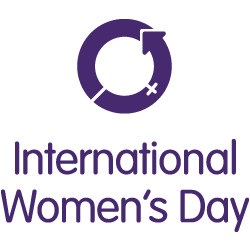
The enduring symbol for International Women's Day features the female gender sign, often integrated with a forward-moving arrow or fist, symbolizing progress and activism. This symbol, along with the official IWD colors – purple (symbolizing justice and dignity), green (representing hope), and white (representing purity, albeit sometimes controversially debated) – forms the bedrock of IWD's visual brand. These elements are evergreen; they transcend specific years and remain consistently relevant.
What many people are implicitly searching for when they look for the "International Women's Day 2026 Logo" is likely a campaign-specific visual, often tied to a particular annual theme. While global platforms like UN Women or the internationalwomensday.com website do develop unique campaign assets, imagery, and slogans each year to promote their specific theme, these are generally not presented as *the* singular, official "IWD [Year] Logo" in the same vein as a corporate brand logo. Instead, they are part of a broader campaign toolkit designed to be adaptable and inclusive, allowing diverse interpretations across different cultures and contexts.
The timeline for such campaign-specific visuals is also crucial. Themes are typically announced much closer to the event date, often in the latter half of the preceding year or even in the early months of the year itself. Consequently, any bespoke visual assets, including what might function as a de facto "logo" for that year's theme, would only follow suit. Therefore, the lack of a distinct 2026 logo at this stage is not an anomaly but rather consistent with the established pattern of IWD branding and campaign rollouts.
Why Official Sources Remain Silent on the IWD 2026 Logo
Our research, aligned with the common experience of those searching online, confirms that major reputable sources discussing International Women's Day 2026 do not mention a specific logo for that year. Articles from prominent media outlets and informational platforms focusing on IWD 2026 wishes, messages, themes, and general facts consistently omit any reference to a unique International Women's Day 2026 Logo. This is not an oversight by these publishers; it reflects the reality of IWD's communication strategy.
The primary reason for this silence is the aforementioned distinction between the overarching, perennial IWD identity and annual campaign visuals. Key organizations responsible for driving IWD initiatives, such as UN Women, typically unveil their annual theme and accompanying campaign materials (including graphics, banners, and digital assets) just a few months, or even weeks, before March 8th. This strategic timing allows for maximum relevance, incorporating current global discussions and ensuring the chosen theme resonates with contemporary challenges and achievements concerning women's rights.
Announcing a specific "logo" or a comprehensive visual campaign for March 2026 too far in advance would be premature. The global landscape for women's rights is dynamic, and themes need to be responsive. By delaying the release of theme-specific branding, organizers maintain flexibility and impact. Thus, any search for the International Women's Day 2026 Logo in the current period will naturally yield few, if any, official results. The focus at this stage remains on general awareness, the historical significance of the day, and preliminary planning.
Instead of a singular logo, the IWD movement leverages a broad spectrum of visual interpretations of its annual themes. This decentralized approach allows for a richer, more diverse array of visual content, generated by countless organizations globally, all united by the common message of women's empowerment, rather than being confined to one specific annual graphic.
The Interplay of Themes and Visual Campaigns for IWD
At the heart of International Women's Day's annual evolution is its theme. Each year, a new theme is introduced, serving as a focal point for discussions, campaigns, and advocacy efforts worldwide. Past themes have ranged from "Choose to Challenge" to "DigitALL: Innovation and technology for gender equality," each inspiring distinct narratives and calls to action.
It is these themes that primarily drive the visual representation for a given year, rather than a pre-designed "IWD [Year] Logo." Organizations and individual campaigners draw inspiration from the chosen theme to create their own graphics, posters, social media visuals, and event branding. For instance, a theme focused on technology might feature imagery of women in STEM fields, digital interfaces, or connectivity, all while subtly incorporating the core IWD colors and symbol.
This approach fosters creativity and allows for localized relevance. A global theme can be interpreted through a local cultural lens, resulting in a vibrant tapestry of visual communication that reflects the diversity of women's experiences worldwide. There is no central authority dictating a single graphic interpretation for everyone. This freedom ensures that the message of IWD can be adapted to resonate with specific audiences and address unique regional challenges.
Consider the strength of this model: without a restrictive, singular "International Women's Day 2026 Logo," organizations are empowered to develop visuals that authentically represent their initiatives and connect with their communities. This collaborative, interpretive visual ecosystem reinforces the collective power of the IWD movement, ensuring that its message is both unified in spirit and diverse in expression.
Crafting Your IWD 2026 Visual Identity in Absence of an Official Logo
Given the typical absence of a distinct "International Women's Day 2026 Logo" from official sources, how can organizations and individuals effectively plan their visual communication for the upcoming celebration? The answer lies in leveraging the established pillars of IWD branding and focusing on the eventual theme.
Here are practical tips for creating impactful visuals for IWD 2026:
- Embrace the Core IWD Elements: Always incorporate the powerful universal IWD symbol (the female gender sign with a fist or arrow) and the iconic colors: purple, green, and white. These elements instantly communicate the essence of International Women's Day.
- Focus on the Theme: Once the official IWD 2026 theme is announced, let it be your primary inspiration. Brainstorm imagery, typography, and design concepts that visually articulate the theme's message and objectives. This will ensure your visuals are timely and relevant.
- Develop Your Own Campaign Assets: Instead of waiting for a single official logo, create a suite of custom graphics tailored to your specific campaign or event. This might include banners, social media posts, email headers, or print materials. Consistency in your own branding (colors, fonts, style) will make your message cohesive.
- Utilize Stock Photography and Illustrations Thoughtfully: Choose images that genuinely reflect diversity, empowerment, and progress. Avoid stereotypes and aim for authentic portrayals of women in various roles and walks of life.
- Prioritize Accessibility: Ensure your visuals are accessible to all. Use clear fonts, good color contrast, and provide alternative text descriptions for images on digital platforms.
- Refer to Official Guidelines: Keep an eye on reputable sources like UN Women and internationalwomensday.com. While they might not release a single "logo," they often provide guidelines, suggested imagery, and downloadable campaign toolkits once the theme is finalized. These resources are invaluable for staying aligned with global IWD efforts.
By adopting this proactive and theme-driven approach, you can create compelling and resonant visual content for International Women's Day 2026 that aligns with the global movement, even without a specific annual logo to guide you. It's about embodying the spirit of IWD through your visuals, rather than merely displaying a prescribed graphic.
Conclusion: The Enduring Power Beyond a Logo
The quest for an official International Women's Day 2026 Logo might lead to the realization that such a specific, centralized graphic does not typically exist. This absence, however, is not a void but rather an opportunity. It underscores the decentralized, inclusive, and adaptive nature of the International Women's Day movement.
Instead of a single, prescriptive logo, IWD thrives on a universally recognized symbol, a meaningful color palette, and the power of annually updated themes. These elements provide a flexible framework within which countless organizations and individuals can create their own unique, impactful visual campaigns that resonate with their specific audiences and contexts. As we look ahead to IWD 2026, the focus will remain on the crucial messages of gender equality, celebrating achievements, and advocating for progress. Your visual contributions, guided by the upcoming theme and the timeless spirit of IWD, will play a vital role in amplifying this essential global conversation.